Lagoon 40 from Queensland to Auckland NZ
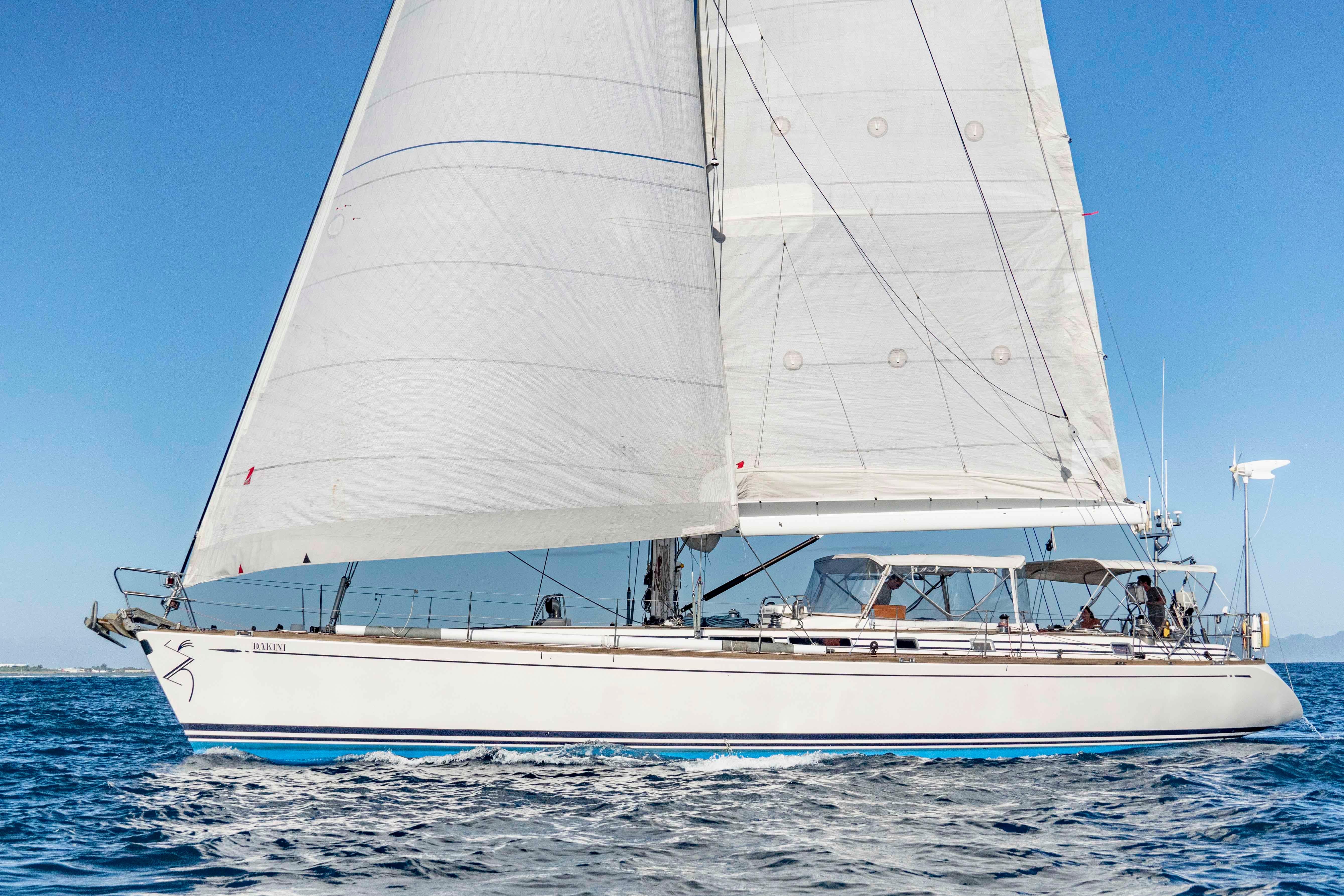
Lagoon 40 from Queensland to Auckland NZ is a significant offshore delivery spanning more than 1,000 nautical miles. This passage takes a cruising catamaran from the sheltered waters of Australia’s Queensland coast across the Tasman Sea to the vibrant maritime hub of Auckland, New Zealand. It requires careful planning, a capable vessel, thoughtful provisioning, and experienced crew.
In this delivery review, we share insights into the preparation, routing, weather, vessel performance, safety procedures, and arrival logistics for this Lagoon 40 passagemaking experience.
What You Should Know About Crossing the Tasman
Crossing from Queensland to Auckland means dealing with variable weather patterns, significant sea states, and long periods offshore. Most navigators consider the timing of the departure window one of the most important factors influencing both safety and comfort.
It’s not just about seamanship — it’s about understanding weather systems, ocean currents, and how a modern cruising catamaran like the Lagoon 40 performs in mixed conditions.
Understanding the Lagoon 40 as a Delivery Vessel
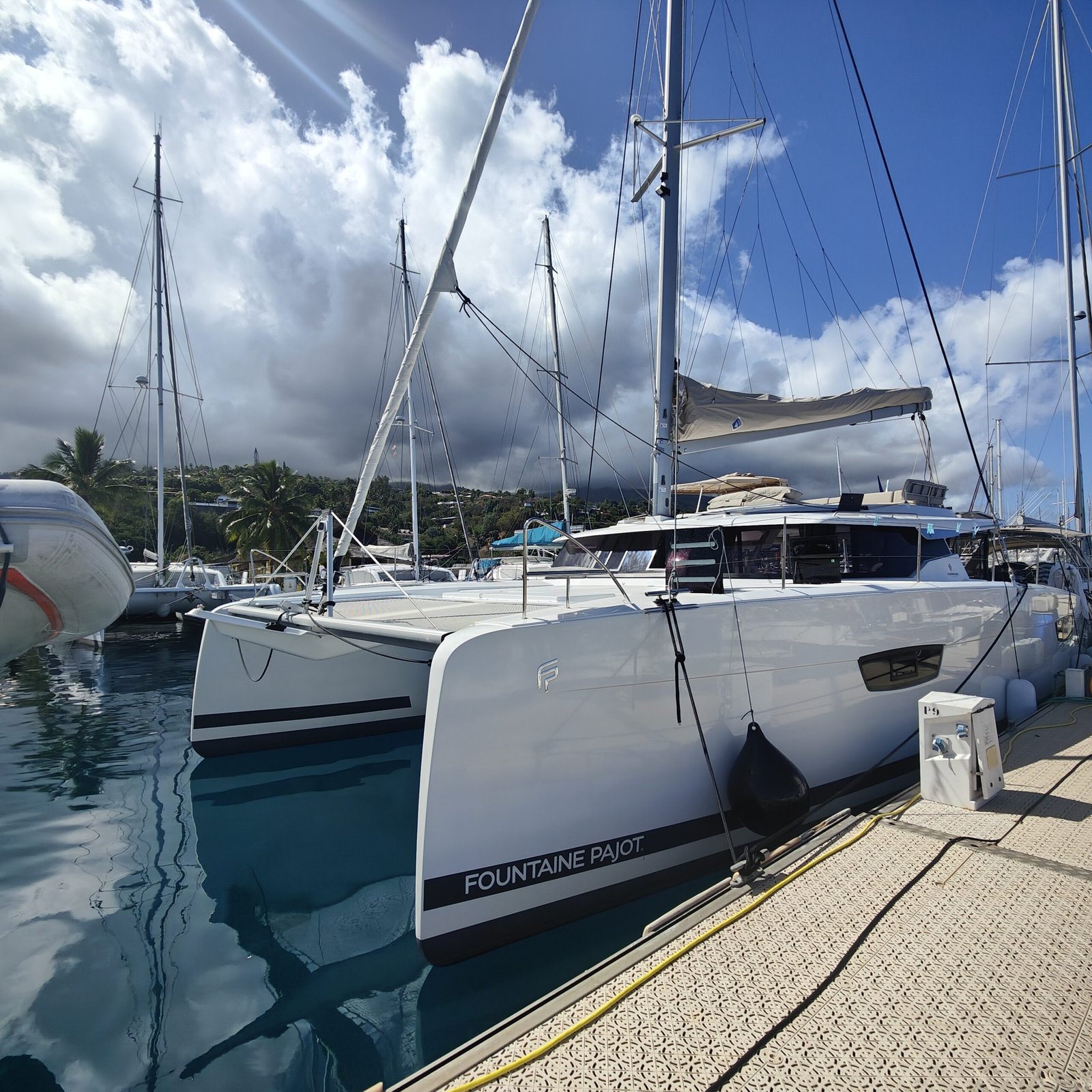
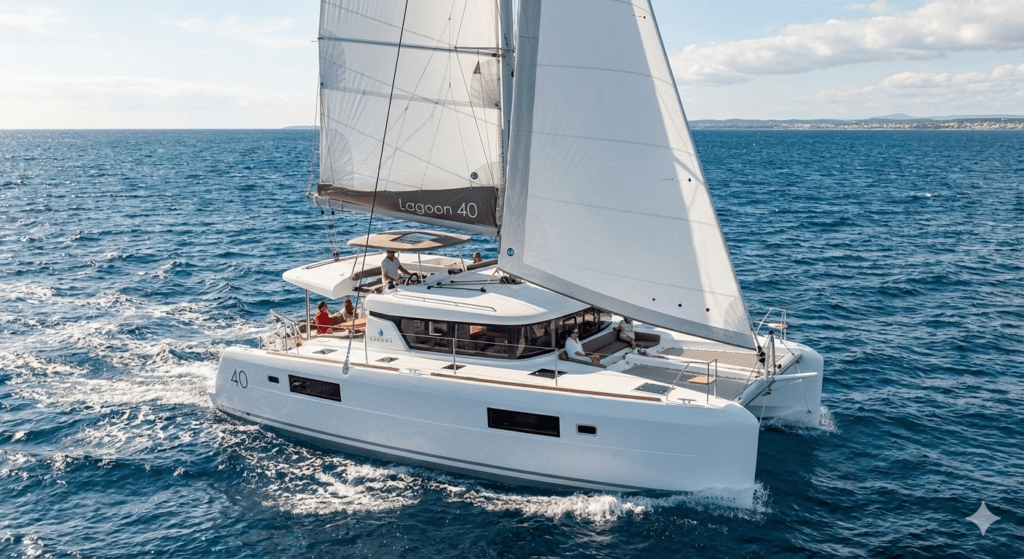
The Lagoon 40 is a modern cruising catamaran designed for long-range passagemaking. Its key advantages include:
Twin hull stability: Reduces rolling and motion fatigue.
Twin engines: Improves manoeuvrability when entering ports and exits.
Efficient sail plan: Allows comfortable cruising speeds without over-stress.
Spacious interior: Supports provisioning and liveaboard comfort.
These features make the Lagoon 40 a strong choice for a delivery such as Lagoon 40 from Queensland to Auckland NZ.
Preparation and Pre-Departure Checks in Queensland
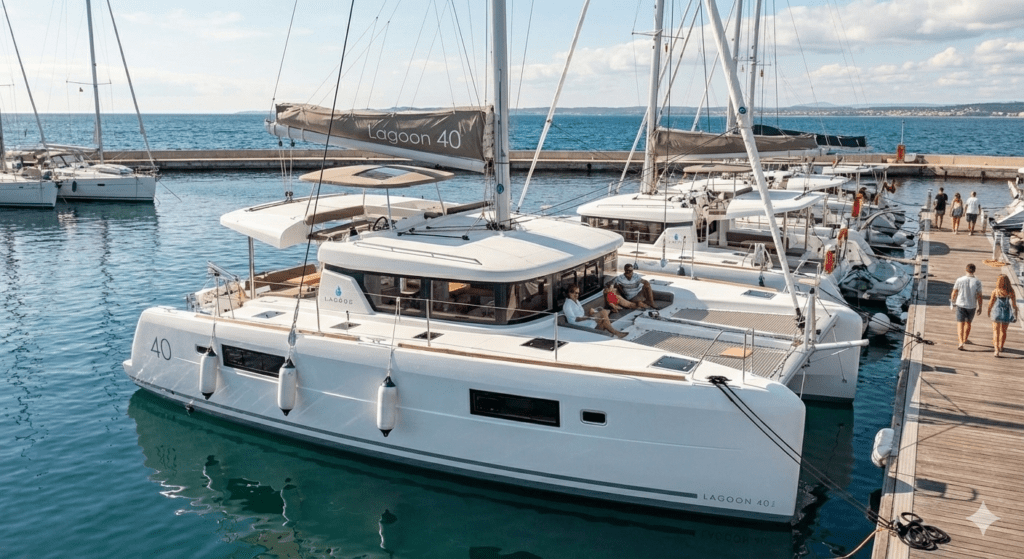 Before leaving Queensland, the delivery crew completed a comprehensive checklist:
Mechanical systems: Engines serviced, fluid levels checked, belts inspected.
Sail inventory: Main, genoa, and spare sails reviewed for chafe or wear.
Safety gear: Life raft, EPIRB, jacklines, and harnesses verified.
Navigation gear: Radar, GPS, AIS, and backup instruments tested.
Provisioning: Food, water, fuel, and spare parts stocked with margin.
Safety drills, including man-overboard scenarios and emergency communications tests, were also completed before departure.
This preparation ensured the Lagoon 40 performed reliably offshore and minimized surprises during the passage.
Route Planning for the Passage
The route for the Lagoon 40 from Queensland to Auckland NZ delivery was designed to balance distance, weather, and sea state.
Key considerations:
Weather windows: Avoiding strong southerly systems approaching the Tasman.
Seasonal patterns: Choosing a departure time when pressure systems are stable.
Stopovers: Considering shelter options if conditions deteriorate.
Tidal planning: Understanding tidal flows when entering the Hauraki Gulf.
Forecasting tools and GRIB data were monitored closely to identify a clear passage window. Advanced planning reduces strain on the vessel and crew and supports safer offshore sailing.
Weather Insights for Queensland to Auckland
The Tasman Sea is known for variable as well as strong wind conditions.
During this passage:
Early legs experienced moderate trade winds that favoured a good reach.
Mid-passage periods had mix of light winds and swell.
Towards New Zealand, frontal systems brought more directional winds.
Weather forecasts from MetService New Zealand (https://www.metservice.com/marine) and regional forecasting tools were used for real-time decision making. These services provided insight into evolving systems and supported route adjustments en route.
Daily Operations and Watchkeeping
The crew operated on a structured watch schedule to maintain alertness and manage vessel operations around the clock. Typical daily tasks included:
Navigation checks: Confirming position and course accuracy.
Systems monitoring: Checking engine temps, battery state, and bilges.
Sail trim adjustments: Managing sail condition based on wind shifts.
Deck checks: Inspecting running rigging and wet gear.
Strong communication protocols and calm, steady routines helped maintain good crew morale and safety throughout the passage.
Safety at Sea
 On a long offshore delivery like Lagoon 40 from Queensland to Auckland NZ, safety procedures are paramount. The team implemented:
Pre-departure safety briefings
Redundant communication systems (VHF, satellite)
Regular man-overboard drills
Personal safety gear (harnesses, tethers)
Emergency plans for significant weather or equipment failure
These procedures reduce risk and ensure readiness for unexpected situations.
Lagoon 40 Offshore Performance
Throughout the passage the Lagoon 40 demonstrated stable and predictable performance:
Comfortable motion: Twin hull design reduced fatigue.
Sail efficiency: Balanced sail handling allowed good passage speeds.
Engine reliability: Twin engines provided redundancy when required.
Interior comfort: Crew rest was manageable even in moderate sea states.
Stable motion and reliable systems make the Lagoon 40 a strong platform for passages of this nature.
Making Landfall in Auckland
Approach into Auckland requires planning due to busy shipping traffic and local navigational considerations. Arrival protocols included:
Contacting Auckland Port authorities early
Confirming berthing arrangements
Completing New Zealand clearance processes with documentation
Verifying fuel and water levels before docking
Accurate arrival planning supports a smooth transition from ocean passage to harbour entry.
This handover phase also included a detailed boat review for the owner and comprehensive delivery logs.
Internal Resources for Yacht Owners
For more information on professional delivery topics:
Check our guide on NZ Yacht Delivery Tips for regional insights.
See our Opua Yacht Guide for local arrival and berth planning.
Review our Crew Training page for best practice delivery operations.
These internal resources help yacht owners prepare for future passages and understand best practices for vessel relocation.
Key Takeaways
The Lagoon 40 from Queensland to Auckland NZ delivery showed that:
Thorough preparation reduces offshore risk
Weather planning determines timing and comfort
A well-managed watch system supports crew performance
Lagoon 40 offshore performance is stable and predictable
Professional deliveries combine experience, planning, communication, and respect for weather and sea state. For catamarans such as the Lagoon 40, these elements are essential for a successful crossing.
Final Thoughts
 Whether you’re planning your own relocation or reviewing delivery history, the Lagoon 40 from Queensland to Auckland NZ passage offers real insight into offshore operations, vessel performance, safety, and crew coordination. With strong planning and experienced execution, ocean passages of this distance can be both efficient and rewarding.
If you’d like additional delivery review articles in this format, I can create more covering other routes and yacht types from our delivery history. Just let me know which one you want next.